

The Transition, Support, and Long-Term Impact of Foster Care
In Part 1, we explored the heart of matching. A process that goes beyond logistics to create a sense of safety and belonging for every child. We saw how the right match can open the door to healing.
But what happens after that door opens? How do we turn an introduction into trust?
Let’s step into Part 2, where we uncover the transition phase, the delicate bridge between uncertainty and belonging.
The Transition Phase: Preparing for Belonging
A well-matched placement may open the door to healing, but it is the transition phase that determines how safely a child steps through it. For many children in care, transitions are not just logistical changes but also are emotional turning points, often shaped by uncertainty and fear of the unknown.
That is why pre-placement planning and introduction meetings play such a crucial role. Whenever possible, children are given the opportunity to visit the foster home, meet their carers, and begin to familiarise themselves with the environment they will be living in. Simple things like seeing photographs of the home, learning the names of carers, or knowing where they will sleep can significantly reduce anxiety.
From a psychological perspective, gradual familiarisation helps children regain a sense of control in situations where they may previously have felt powerless. Being prepared allows them to begin forming expectations, rather than imagining worst-case scenarios. It sends a powerful message: your feelings matter, and you are being considered.
At Brighter Fostering, this approach reflects a broader commitment to planned, thoughtful placements that prioritise emotional safety alongside physical care. Even when transitions must happen quickly, every effort is made to ensure children are supported, informed, and reassured because feeling safe is the foundation upon which trust is built.
Psychological Support Systems: A Network of Care
Even the most loving foster home cannot meet every emotional need alone. Healing from trauma is a journey, and it requires a strong, coordinated support system not just for the child, but for the foster carer too.
Brighter Fostering’s approach is rooted in partnership. Supervising social workers regularly visit foster homes, offering guidance, reassurance, and professional oversight. These visits are far more than formal requirements; they are opportunities to notice subtle emotional changes, address concerns early, and ensure that both child and carer feel supported and heard.
Children also benefit from Child Looked After (CLA) reviews, which bring together social workers, carers, and other professionals such as teachers or health practitioners. These reviews ensure that a child’s emotional, educational, and physical needs are being met and crucially, they provide children with a voice. Being listened to, and knowing that adults are working together on their behalf, can be deeply healing for children who may have felt overlooked or unheard in the past.
Foster carers, too, are supported through training, supervision, and access to practical and emotional tools that help them respond to complex behaviours with understanding rather than judgement. They are encouraged to reflect on progress, celebrate small victories, and seek help when challenges arise.
Alongside this, Brighter Fostering works closely with local authorities, ensuring carers and children have consistent access to safeguarding oversight, professional expertise, and specialist services. This collaborative approach reflects the organisation’s purpose of delivering a high-quality fostering service that places children at the centre of decision-making and care planning .
Initiatives such as the Activity Fund further enhance emotional wellbeing by enabling children to take part in hobbies, outings, and holidays. These experiences promote joy, confidence, and a sense of normality reminding children that they are allowed to enjoy childhood, not just survive it.
In many ways, these psychological support systems act as the scaffolding that holds a placement together. They ensure that no one be it child or carer must navigate this journey alone.
Long-Term Psychological Outcomes: From Stability to Growth
Foster care is not just about providing safety today , it is about shaping a child’s tomorrow. When placements are thoughtfully planned and emotionally supported, they can have a lasting impact on a child’s mental health, self-esteem, and sense of identity.
Children who have experienced trauma often carry deep emotional scars. With the right foster carer and consistent support, those scars can begin to heal. Over time, children may learn to trust again, express their emotions more openly, and form healthier relationships. These changes rarely happen overnight . They are slow, steady signs of resilience taking root.
Stability plays a key role in this process. When children know what to expect, feel emotionally secure, and are surrounded by adults who care, they begin to rebuild their sense of self. This stability supports identity formation and helps children believe that they are worthy of love and capable of success. Brighter Fostering recognises the importance of continuity, encouraging ongoing relationships where appropriate including maintaining contact with former carers. For children who have experienced repeated loss, this sends a powerful message: relationships do not always have to end abruptly.
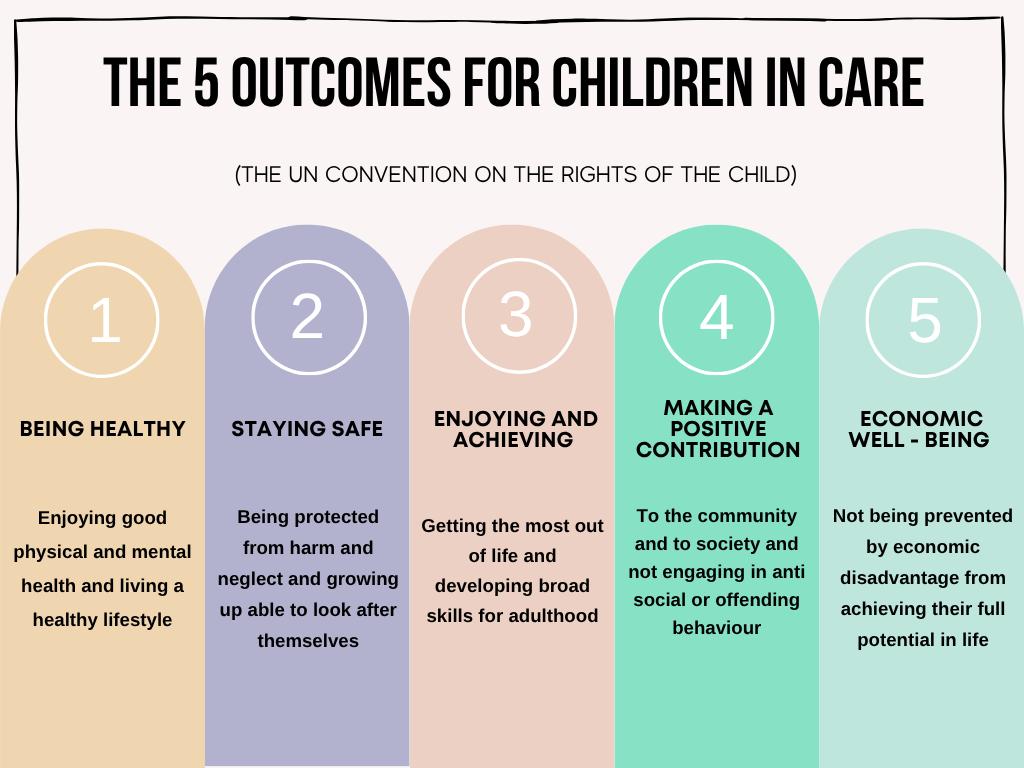
Long-term emotional support also aligns closely with the Five Outcomes for Children in Care, which guide best practice and reflect children’s holistic needs:
- Being Healthy: Emotional security and therapeutic support help children improve their mental and physical wellbeing.
- Staying Safe: Stable placements and strong professional oversight protect children from further harm.
- Enjoying and Achieving: Encouragement, routine, and educational support allow children to re-engage with learning and personal interests.
- Making a Positive Contribution: Feeling valued and understood enables children to build confidence and engage positively with others.
- Economic Wellbeing: Emotional stability and positive experiences support long-term independence and future aspirations.
By embedding these outcomes into everyday practice, Brighter Fostering fulfils its stated purpose of delivering positive outcomes for young people, working in partnership with carers and local authorities to help children not only cope, but thrive .
In some cases, foster care becomes the turning point in a child’s life. The moment they move from surviving to truly living. With the right match, careful transitions, and consistent psychological support, foster care can offer more than safety. It can offer belonging, growth, and hope.
In Part 3, we will explore challenges, ethical considerations, and responsibilities involved in foster care and how thoughtful, child-centred practice helps ensure that even when things don’t go as planned, children’s emotional wellbeing remains at the heart of every decision.
Recent Comments