Deprecated: Optional parameter $post_types declared before required parameter $location is implicitly treated as a required parameter in /home/brigtlvo/public_html/wp-content/plugins/monarch/monarch.php on line 3783 Social Work | Brighter Fostering
If asked what is fostering , a simple answer is that it is rooted in hope and exist within complexity.
Behind every placement decision are real children, real families, and real pressures. Sometimes urgent, sometimes uncertain. While policies and procedures exist to guide safe practice, ethical foster care depends on how those processes are used, especially when circumstances are far from ideal.
Understanding these challenges is essential if we are to protect children’s emotional wellbeing and ensure that foster care truly supports healing rather than unintentionally causing further harm.
Challenges and Ethical Considerations in Placement Decisions
One of the most difficult situations in foster care is an emergency placement. These occur when a child needs a safe home immediately often with limited information, heightened emotions, and little time to prepare.
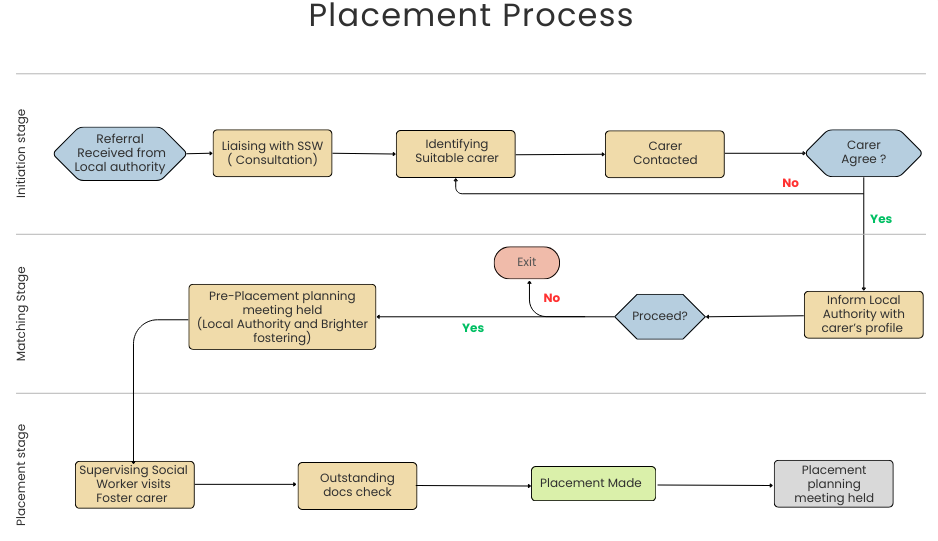
Behind these urgent decisions sits a structured placement process, designed to safeguard children and ensure accountability. However, the process also highlights just how quickly decisions may need to be made and where ethical pressures can arise.
The diagram illustrates how referrals are received, information is gathered, carers are identified, and decisions are made….sometimes within hours. While this structure is essential, it also reveals the emotional risk points. When time is short, children may arrive frightened and disoriented, and carers may have limited opportunity to prepare emotionally or practically.
From a psychological perspective, rushed placements increase the risk of poor matching. Even with the best intentions, speed can place strain on both the child and the carer, increasing the likelihood of placement instability.
Equally important is listening to the child. Wherever possible, children should be involved in placement decisions and transitions. Even small choices like what they bring with them, how their room is prepared, or how introductions are handled, can help restore a sense of control in a situation where so much feels decided for them.
Ethical foster care means asking not only “Can this placement work?” but “Does this placement respect who this child is?”
At Brighter Fostering, these risks are recognised. Staff work closely with local authorities to gather as much information as possible even under pressure to reduce emotional harm and ensure that decisions remain child-centred rather than convenience-led.
Why Psychologically Informed Practice Matters
The placement process diagram highlights an important truth: foster care is not a single decision, but a series of moments where empathy, judgement, and ethical responsibility are required.
Psychologically informed practice ensures that:
Speed never outweighs emotional safety
Procedure never replaces compassion
The child’s wellbeing remains central, even under pressure
When carers, professionals, and local authorities work together with a shared understanding of trauma, attachment, and identity, foster care becomes more than a safeguarding response, it becomes a pathway for healing.
Conclusion: Putting the Child First, Always
Foster care is not just about meeting immediate needs, it is about shaping futures. Across this series, we have explored how thoughtful matching, careful transitions, strong support systems, and ethical decision-making can transform a child’s experience of care.
Behind every placement is a child who needs to feel safe, valued, and understood. Achieving that requires empathy, preparation, and ongoing support from carers, professionals, and organisations working together.
At Brighter Fostering, the commitment is clear: to place children at the heart of every decision, to work in partnership with local authorities, and to ensure that care is guided not only by policy, but by humanity.
When foster care is approached with psychological insight and ethical care, it has the power to do more than protect. It has the power to heal.
The Transition, Support, and Long-Term Impact of Foster Care
In Part 1, we explored the heart of matching. A process that goes beyond logistics to create a sense of safety and belonging for every child. We saw how the right match can open the door to healing.
But what happens after that door opens? How do we turn an introduction into trust?
Let’s step into Part 2, where we uncover the transition phase, the delicate bridge between uncertainty and belonging.
The Transition Phase: Preparing for Belonging
A well-matched placement may open the door to healing, but it is the transition phase that determines how safely a child steps through it. For many children in care, transitions are not just logistical changes but also are emotional turning points, often shaped by uncertainty and fear of the unknown.
That is why pre-placement planning and introduction meetings play such a crucial role. Whenever possible, children are given the opportunity to visit the foster home, meet their carers, and begin to familiarise themselves with the environment they will be living in. Simple things like seeing photographs of the home, learning the names of carers, or knowing where they will sleep can significantly reduce anxiety.
From a psychological perspective, gradual familiarisation helps children regain a sense of control in situations where they may previously have felt powerless. Being prepared allows them to begin forming expectations, rather than imagining worst-case scenarios. It sends a powerful message: your feelings matter, and you are being considered.
At Brighter Fostering, this approach reflects a broader commitment to planned, thoughtful placements that prioritise emotional safety alongside physical care. Even when transitions must happen quickly, every effort is made to ensure children are supported, informed, and reassured because feeling safe is the foundation upon which trust is built.
Psychological Support Systems: A Network of Care
Even the most loving foster home cannot meet every emotional need alone. Healing from trauma is a journey, and it requires a strong, coordinated support system not just for the child, but for the foster carer too.
Brighter Fostering’s approach is rooted in partnership. Supervising social workers regularly visit foster homes, offering guidance, reassurance, and professional oversight. These visits are far more than formal requirements; they are opportunities to notice subtle emotional changes, address concerns early, and ensure that both child and carer feel supported and heard.
Children also benefit from Child Looked After (CLA) reviews, which bring together social workers, carers, and other professionals such as teachers or health practitioners. These reviews ensure that a child’s emotional, educational, and physical needs are being met and crucially, they provide children with a voice. Being listened to, and knowing that adults are working together on their behalf, can be deeply healing for children who may have felt overlooked or unheard in the past.
Foster carers, too, are supported through training, supervision, and access to practical and emotional tools that help them respond to complex behaviours with understanding rather than judgement. They are encouraged to reflect on progress, celebrate small victories, and seek help when challenges arise.
Alongside this, Brighter Fostering works closely with local authorities, ensuring carers and children have consistent access to safeguarding oversight, professional expertise, and specialist services. This collaborative approach reflects the organisation’s purpose of delivering a high-quality fostering service that places children at the centre of decision-making and care planning .
Initiatives such as the Activity Fund further enhance emotional wellbeing by enabling children to take part in hobbies, outings, and holidays. These experiences promote joy, confidence, and a sense of normality reminding children that they are allowed to enjoy childhood, not just survive it.
In many ways, these psychological support systems act as the scaffolding that holds a placement together. They ensure that no one be it child or carer must navigate this journey alone.
Long-Term Psychological Outcomes: From Stability to Growth
Foster care is not just about providing safety today , it is about shaping a child’s tomorrow. When placements are thoughtfully planned and emotionally supported, they can have a lasting impact on a child’s mental health, self-esteem, and sense of identity.
Children who have experienced trauma often carry deep emotional scars. With the right foster carer and consistent support, those scars can begin to heal. Over time, children may learn to trust again, express their emotions more openly, and form healthier relationships. These changes rarely happen overnight . They are slow, steady signs of resilience taking root.
Stability plays a key role in this process. When children know what to expect, feel emotionally secure, and are surrounded by adults who care, they begin to rebuild their sense of self. This stability supports identity formation and helps children believe that they are worthy of love and capable of success. Brighter Fostering recognises the importance of continuity, encouraging ongoing relationships where appropriate including maintaining contact with former carers. For children who have experienced repeated loss, this sends a powerful message: relationships do not always have to end abruptly.
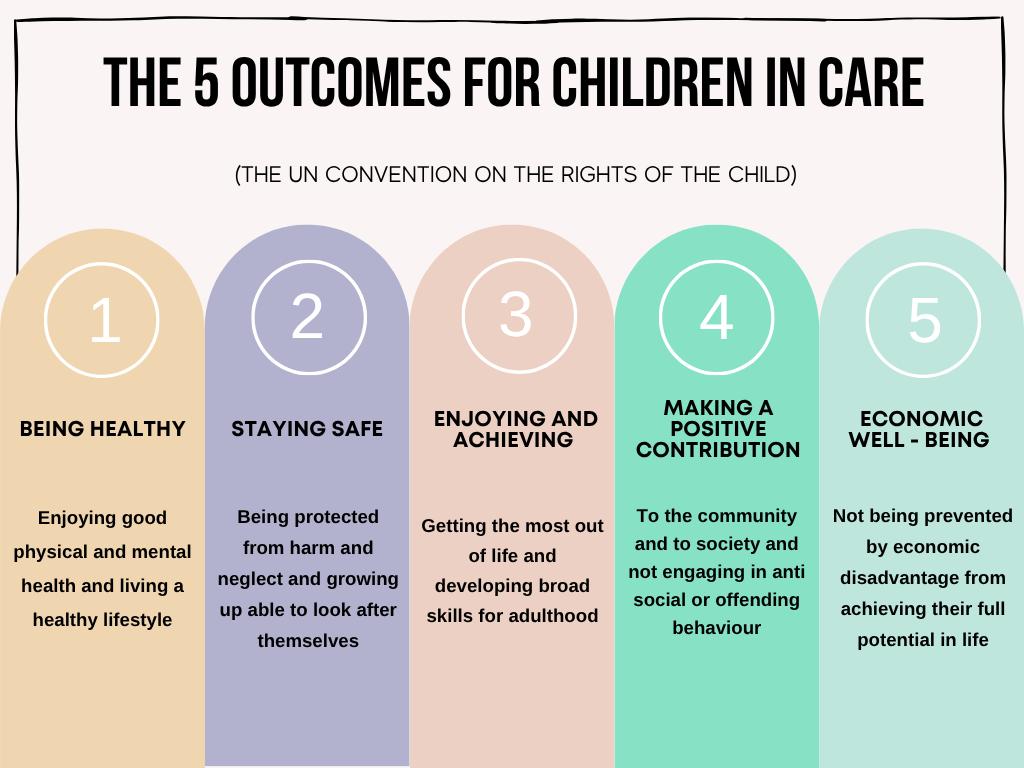
Long-term emotional support also aligns closely with the Five Outcomes for Children in Care, which guide best practice and reflect children’s holistic needs:
Being Healthy: Emotional security and therapeutic support help children improve their mental and physical wellbeing.
Staying Safe: Stable placements and strong professional oversight protect children from further harm.
Enjoying and Achieving: Encouragement, routine, and educational support allow children to re-engage with learning and personal interests.
Making a Positive Contribution: Feeling valued and understood enables children to build confidence and engage positively with others.
Economic Wellbeing: Emotional stability and positive experiences support long-term independence and future aspirations.
By embedding these outcomes into everyday practice, Brighter Fostering fulfils its stated purpose of delivering positive outcomes for young people, working in partnership with carers and local authorities to help children not only cope, but thrive .
In some cases, foster care becomes the turning point in a child’s life. The moment they move from surviving to truly living. With the right match, careful transitions, and consistent psychological support, foster care can offer more than safety. It can offer belonging, growth, and hope.
In Part 3, we will explore challenges, ethical considerations, and responsibilities involved in foster care and how thoughtful, child-centred practice helps ensure that even when things don’t go as planned, children’s emotional wellbeing remains at the heart of every decision.
Behind every placement there is a story that carries loss, uncertainty, and hope. It’s not just a change of address but it’s a shift in a child’s entire emotional world. Children don’t arrive in foster homes as blank slates. They bring memories, attachments, and invisible wounds that shape who they are. That’s why psychological understanding is essential. Not only to help a child begin healing but to make a placement that truly fits them.
When the right match is made, it can mark the beginning of a relationship that restores a child’s sense of safety and belonging.
At Brighter Fostering, we believe that matching a child with a foster family is a deeply human process. Every child has unique emotional needs and past experiences that shape their fears and their ability to trust again.
While we consider the child’s needs, we also ensure that the foster carer has the emotional capacity to offer not just a home, but also empathy, patience, and understanding.
It’s not simply about finding a family for a child, it’s about finding the right family for that specific child. This dual approach ensures emotional readiness on both sides.
On this note, let’s explore the journey of placing a child with a foster family.
Children thrive on consistency. Poorly matched placements can deepen feelings of rejection and instability. That’s why matching based on both emotional and practical needs is vital.
From a psychological perspective, children in care may struggle with attachment. If their early relationships were marked by neglect or inconsistency, trusting new adults, even kind and nurturing ones can be difficult.
They might test boundaries, withdraw emotionally, or act out as a way of protecting themselves from being hurt again.
At Brighter Fostering, our placement policy recognises this complexity. It emphasises understanding each child’s history, behaviour, health, identity, and culture before placement. This goes far beyond logistics, it’s about ensuring emotional safety. A child’s race, religion, language, and experiences influence how they feel in a new environment.
Matching them with a carer who honours and understands these aspects helps them feel seen and valued. When a child feels understood, healing begins. They can form new bonds and rediscover their self-worth.
Every child in foster care is on a deeply personal emotional journey. A foster carer’s role isn’t just to provide shelter but it’s also to offer a space where healing can start.
When a child enters a carer’s home, they often bring a mix of fear, confusion, and fragile hope. The carer’s patience and consistency are key. Children might test boundaries or reject affection, not because they don’t want love, but because they fear it won’t last.
Each calm, steady response from the carer rebuilds trust, showing the child that love can be safe, and people can stay.
At Brighter Fostering, we prioritise matching children with carers who have the right experience, strengths, and emotional support systems. It’s not just about having an extra bedroom instead it’s about having the heart and resilience to care for a child who’s been let down before.
We also ask practical questions:
How will the child be welcomed?
How will school runs and contact visits with birth family and friends be managed?
These questions, while practical, reveal emotional preparedness too, showing whether a carer is ready to create a safe, predictable environment.
We provide training and ongoing supervision to ensure carers feel supported. Alongside this, there is strong collaboration with the local authority, which plays a key role in offering professional guidance, resources and emotional backing throughout each placement.
The local authority’s involvement ensures that both the carer and the child have consistent access to expert advice, safeguarding oversight and network of professionals who are dedicated to their wellbeing. Because just like children, carers need to know they’re not alone. When carers feel emotionally equipped, they can offer the stability a child needs to heal.
Every thoughtful match lays a foundation for healing, but the journey doesn’t end here. A well-matched placement can open the door to healing but what happens next determines whether that door truly stays open.
Join us in the next part, where we’ll uncover the transition phase. A vital step that transforms an introduction into the beginning of trust.
Building a positive, trusting relationship with a child in care is one of the most important and sometimes most delicate aspects of fostering. Every child’s background and personality are different, but with creativity, patience, and consistency, foster carers can create meaningful connections. Here are 10 creative and practical ways to bond with a child in your care.
1. Grow Together in the Garden
Gardening is an excellent way to build responsibility, teamwork, and routine. Whether it’s planting flowers, vegetables, or herbs, this slow-paced activity creates space for conversation and calm. Many carers find that children open up more while their hands are busy.
2. Arts & Crafts Projects
Crafting is a low-pressure way for children to express themselves and explore their feelings. Drawing, painting, scrapbooking, or making simple DIY projects together can help develop trust and creativity. Local libraries and community centres across Leeds and Bradford often run free creative workshops for children and families.
3. Create a Life Story Book
Working on a life story book together gives a child space to explore their past in a supportive way. It’s a therapeutic method used by many fostering services to help children process their experiences and form a sense of identity. You can use drawings, photos, or written memories to make it a shared journey.
4. Cook and Bake Together
Cooking is a great bonding activity that encourages teamwork and gives children a sense of achievement. Try simple recipes like homemade pizza, cupcakes, or smoothies. It’s also a great way to talk while doing something fun and relaxed.
5. Role-Play ‘Your House / My House’
This imaginative activity involves drawing and talking about what a child’s past home looked like and what their current home looks like. It encourages emotional expression and allows the child to reflect on change, which can be very powerful for those who’ve experienced multiple moves.
6. Explore the Outdoors
Leeds and Bradford have beautiful parks and green spaces perfect for bonding activities. Roundhay Park in Leeds or Lister Park in Bradford offer great opportunities for long walks, picnics, and nature spotting. Outdoor time provides space for relaxed conversations and creates positive shared memories.
7. Visit Museums and Libraries
Museums and local libraries provide excellent interactive environments that stimulate curiosity. Places like the Leeds City Museum or the National Science and Media Museum in Bradford offer hands-on activities suitable for children of all ages. Many libraries also run family story times and creative sessions throughout the year.
8. Play Board Games and Puzzles
Games provide a chance to build trust, practice taking turns, and have a laugh together. Choose age-appropriate games that allow for teamwork and cooperation. Puzzles can also serve as a metaphor for building together, fitting pieces into place, slowly and patiently.
9. Create a Comfort Box
Help your child build a personalised comfort kit. This could include a soft blanket, a sensory toy, a notebook, calming scents, or photos. This simple activity allows a child to take ownership of their comfort and creates a shared space of safety and emotional support.
10. Movie Nights with a Twist
Plan regular movie nights where the child helps choose the film and prepare snacks. Create a cosy environment with blankets and pillows. After the film, talk about favourite characters or moments. It’s a simple tradition that offers consistency and comfort.
Why Bonding Matters
In the UK, around 70,000 children live with approximately 53,000 foster families at any one time. Each year, about 38,000 children enter the care system. These numbers highlight the critical role foster carers play in providing stability, care, and emotional support.
Children in care are more likely to thrive emotionally and academically when they have strong, trusting bonds with their carers. Stable relationships reduce the risk of placement breakdowns and promote healing from trauma.
Backed by Evidence
– Life story work helps children process their past and develop a stable sense of identity. – Attachment-focused activities such as shared routines, rituals, and consistent emotional responses have been shown to improve children’s sense of security. – Creative expression through art and play supports communication and regulation, especially for those who struggle to express themselves verbally.
Local Resources:
In Leeds: – Community centres regularly host family events and workshops.
In Bradford: – Family-friendly spaces like Cartwright Hall and City Park offer free or low-cost activities.
Final Thoughts
Every child is different, and there is no “one size fits all” approach to bonding. The key is to remain patient, consistent, and open. Through creative activities, shared routines, and authentic connection, you can help a child feel safe, valued, and cared for.
These small moments, whether baking cookies, solving puzzles, or drawing in the park can be the most powerful in building trust and belonging.
Fostering is a deeply rewarding journey, filled with both challenges and moments of profound joy. One of the key aspects of being a successful foster carer is maintaining a strong, positive relationship with your fostering agency. Whether you’re a new foster carer or have years of experience, good communication and mutual respect are essential to ensuring the well-being of the children in your care and fostering a productive partnership with your agency.
In this blog, we’ll explore some key etiquette tips to help foster a positive and cooperative relationship with your fostering agency.
1. Clear and Open Communication
One of the most important things you can do as a foster carer is to keep the lines of communication open with your fostering agency. Whether you’re having a good experience or facing challenges, being open and honest allows both you and your agency to better support the child in your care.
Tips for effective communication:
Be proactive: If you notice a problem or a challenge, let your agency know sooner rather than later. The sooner they’re informed, the quicker they can offer assistance.
Share updates regularly: It’s important to keep the agency informed about the child’s progress, behaviour, and any incidents. Keeping them in the loop helps them provide better support and services.
Ask for advice when needed: Don’t hesitate to reach out for guidance or suggestions. Your fostering agency has a wealth of experience and can offer valuable advice.
2. Respecting Agency Policies and Procedures
Each fostering agency has specific policies and procedures in place to ensure the safety and well-being of children. As a foster carer, it’s essential to familiarize yourself with and respect these guidelines.
Why it’s important:
Policies help ensure consistency in care and meet legal requirements.
Following agency procedures helps avoid misunderstandings and protects you, the child, and the agency.
Adhering to these guidelines demonstrates your commitment to your role as a foster carer.
If you’re ever unclear about a policy, don’t hesitate to ask for clarification from your agency.
3. Be Responsive to Agency Requests
Fostering agencies often request information or feedback from their carers for a variety of reasons, including regulatory checks, training opportunities, or updates on the children in care. Being responsive and timely with these requests helps maintain a smooth relationship.
Examples of responsiveness:
Returning phone calls or emails promptly.
Attending training sessions or meetings that are relevant to your role as a carer.
Completing forms or paperwork within given deadlines, such as health checks, reports, or feedback surveys.
By meeting these expectations, you demonstrate reliability and professionalism, which helps foster trust with the agency.
4. Maintain Professionalism and Boundaries
As a foster carer, it’s natural to form emotional connections with the children in your care. However, maintaining a professional relationship with your fostering agency is just as crucial. Boundaries should be respected to ensure that everyone can do their part in the child’s care plan effectively.
How to maintain professionalism:
Respect the roles of social workers, trainers, and other agency staff.
Stay focused on the child’s best interests, and collaborate with the agency on decisions regarding the child’s well-being.
Be mindful of confidentiality – sensitive information about children, families, and other carers should only be shared with those who have a professional need to know.
By maintaining professionalism and boundaries, you help ensure a positive and respectful partnership with your fostering agency.
5. Be Open to Feedback
Feedback from your fostering agency, whether positive or constructive, is an essential part of your development as a foster carer. Remember, this feedback is meant to help you improve and offer the best care possible.
How to handle feedback:
Be receptive: Take the time to listen to the feedback offered and reflect on it. Constructive criticism is an opportunity for growth.
Ask questions: If feedback is unclear or you don’t understand the reasoning behind a suggestion, ask for clarification.
Use feedback to improve: Consider feedback as an opportunity to enhance your caregiving skills and improve your relationship with the child in your care.
6. Attend Regular Reviews and Meetings
Regular reviews are an essential part of fostering, allowing you and your fostering agency to assess the child’s progress and discuss any issues. Attending these meetings not only keeps you informed about the child’s care plan but also demonstrates your commitment to the child’s well-being.
Why reviews are important:
They provide an opportunity to discuss the child’s development and identify any areas where additional support may be needed.
Regular reviews help to ensure the child’s placement is stable and that their needs are being met.
They also give you a platform to share your thoughts, concerns, and suggestions for improving the child’s care.
7. Keep an Open Mind and Stay Flexible
Fostering often requires flexibility. Plans can change, emergencies may arise, or situations may require quick adjustments. By remaining open-minded and flexible, you help create an environment where positive change can take place.
How to stay flexible:
Be prepared for changes to care plans, as children’s needs may evolve over time.
Adapt to new training or procedures as the agency introduces them.
Stay open to suggestions from the agency, as they may have new methods or resources to enhance the care you’re providing.
Conclusion
Building and maintaining a positive relationship with your fostering agency is essential for your success as a foster carer. By practicing good etiquette such as clear communication, respecting policies, being responsive, and maintaining professionalism you ensure that both you and the agency can work together to provide the best care possible for the children in your care.
Remember, fostering is a collaborative effort. With mutual respect and understanding, you can create a strong partnership that benefits everyone, especially the children who rely on your care.




Recent Comments