
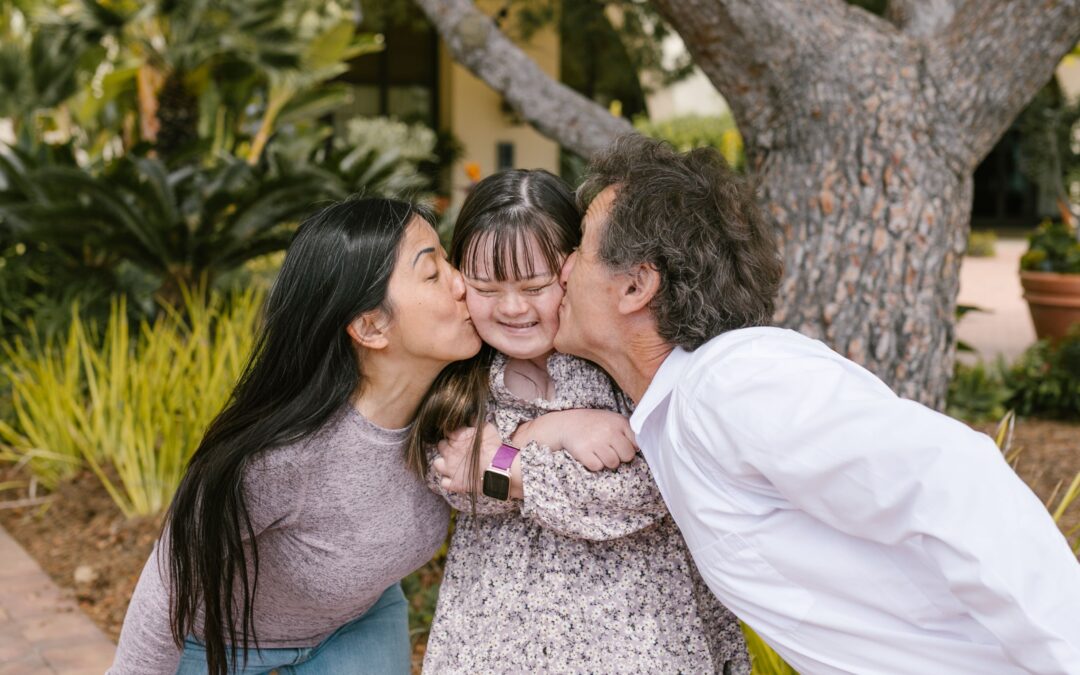
Every July, Disability Pride Month celebrates the achievements, identities and contributions of disabled people while raising awareness of equality, inclusion and accessibility.
At Brighter Fostering, we believe every child deserves the opportunity to feel safe, valued and supported to achieve their full potential. Disability does not define a child’s abilities or future. With the right support, encouragement and stable relationships, children and young people with disabilities can thrive in foster care.
Learn more about what fostering involves and the difference a stable home can make.
The UK disability charity Scope describes Disability Pride Month as an opportunity for disabled people to celebrate their community, share experiences and challenge negative attitudes.
What is Disability Pride Month?
Disability Pride Month is an annual celebration that promotes understanding, challenges stereotypes and recognises disability as a natural part of human diversity. It encourages communities to celebrate differences and create environments where everyone feels respected and included.
Originally established to mark the anniversary of disability rights legislation, Disability Pride Month is now recognised worldwide as an opportunity to raise awareness, celebrate achievements and promote equal opportunities. It reminds us that everyone deserves respect, accessibility and the chance to participate fully in their communities, regardless of their abilities.
For fostering services, Disability Pride Month is also an opportunity to celebrate the resilience, talents and potential of children with disabilities and reinforce the importance of creating inclusive, supportive family environments.
Why Disability Pride Month Matters in Foster Care ?
Every child deserves to feel accepted, respected and valued, regardless of whether they have a disability or additional support needs. Creating an inclusive environment allows children to develop confidence, build meaningful relationships and feel a genuine sense of belonging.
Many children entering foster care have physical disabilities, learning disabilities, sensory impairments or additional emotional and developmental needs. Some may also be waiting for assessments or diagnoses while adjusting to life in a new home.
How Foster Carers Support Children with Disabilities
Children entering foster care come from a wide range of backgrounds and experiences. Some may have physical disabilities, learning disabilities, sensory impairments or additional needs, while others may be awaiting an assessment or diagnosis.
Like every child, they need stability, understanding and someone who believes in them.
Foster carers provide more than a safe place to live. They offer encouragement, stability and opportunities for children to grow and thrive. By working closely with professionals and creating an inclusive home environment, foster carers help children develop confidence and reach their full potential.
Providing a Safe and Stable Home
A stable home gives children the security they need to feel safe, build trust and establish routines. Foster carers create an environment where children feel listened to, respected and understood. Small adjustments to the home or daily routines can make a significant difference, helping children feel comfortable and supported while they settle into family life.
Encouraging Independence
Every child should have opportunities to learn new skills and become more independent. Foster carers encourage children to make choices, develop confidence and celebrate personal achievements at their own pace. Whether learning everyday life skills or achieving educational goals, recognising progress helps children build self-esteem and resilience.
Working with Professionals
Supporting a child with disabilities often involves working collaboratively with schools, healthcare professionals, therapists and social workers. Foster carers play an important role in communicating with professionals, attending meetings and ensuring children receive the services and support they need to achieve positive outcomes.
Celebrating Every Achievement
Success looks different for every child. Foster carers celebrate milestones both big and small, whether that is making a new friend, improving communication skills, reaching an educational goal or gaining confidence in everyday activities. Recognising achievements helps children feel proud of themselves and motivates them to continue progressing.
Every child’s journey is unique, and the support they receive should reflect their individual needs and strengths.
You can also read our guide to fostering a child with additional needs for more information and practical guidance.
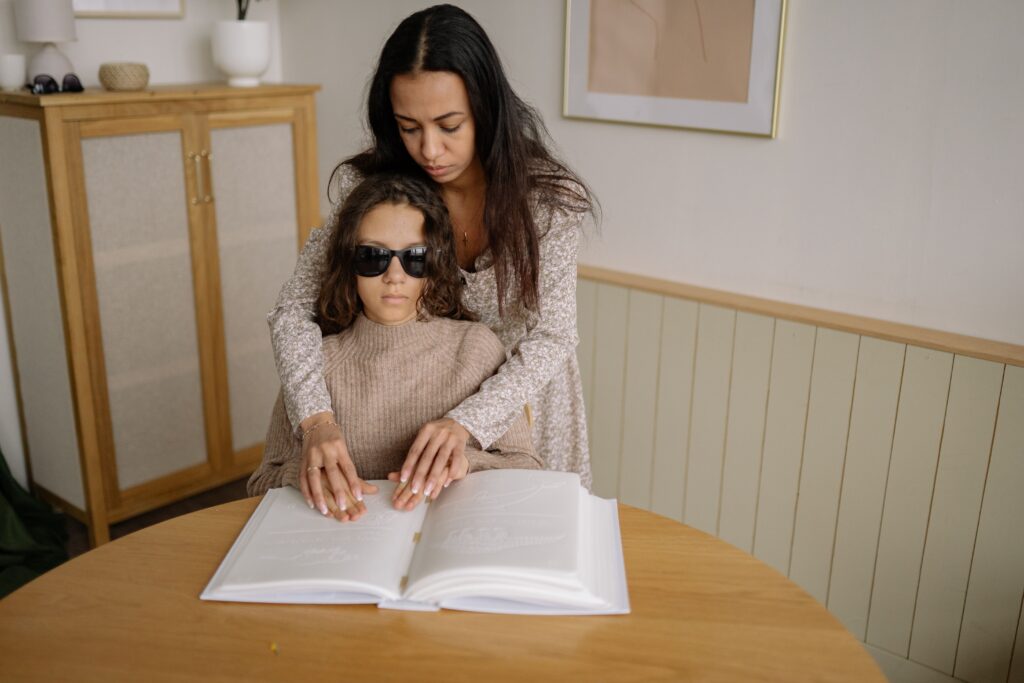
Do You Need Experience to Foster a Child with Disabilities?
One of the most common questions people ask is whether they need specialist experience before fostering a child with disabilities. The answer is no.
While experience in healthcare, education or caring roles can be valuable, the qualities that matter most are patience, compassion, resilience and a willingness to learn. Every child is different, and every fostering journey is unique.
At Brighter Fostering, we provide comprehensive training and ongoing guidance to help foster carers understand each child’s individual needs. With the right support and professional advice, many people discover they are capable of making a meaningful difference in a child’s life, regardless of their previous experience.
People from many different backgrounds can foster. Read more about who can become a foster carer.
How Brighter Fostering Supports Foster Carers
At Brighter Fostering, we understand that foster carers need the right support to provide the best possible care for children. That’s why we work alongside our carers throughout every stage of their fostering journey.
We provide comprehensive pre-approval and ongoing training, access to experienced supervising social workers, tailored guidance based on each child’s individual needs and 24/7 support whenever advice is needed. We also work closely with local authorities, education providers and healthcare professionals to ensure children receive coordinated care and access to appropriate services.
Our aim is to help foster carers feel confident, supported and equipped to provide safe, nurturing homes where children can thrive.
Frequently Asked Questions
What is Disability Pride Month?
Disability Pride Month is an annual celebration that recognises the achievements, identities and contributions of disabled people while promoting equality, inclusion and accessibility.
Can children with disabilities be fostered?
Yes. Children with physical disabilities, learning disabilities, sensory impairments and other additional needs can all benefit from foster care. Every child’s needs are different, and support is tailored to help them thrive.
Do foster carers receive support?
Absolutely. Foster carers receive training, guidance and ongoing support from their fostering agency, as well as working alongside schools, healthcare professionals and social workers to ensure children receive the care they need.
Interested in Becoming a Foster Carer?
If you’re caring, patient and committed to making a positive difference in a child’s life, fostering could be an incredibly rewarding experience.
Contact Brighter Fostering to learn more about becoming a foster carer and discover how we’ll support you every step of your fostering journey.
Become a Foster Carer with Brighter Fostering
If you’re caring, patient and passionate about helping children reach their full potential, fostering could be a rewarding opportunity. Whether you have previous experience or are just beginning to explore fostering, Brighter Fostering will support you with training, guidance and dedicated professional support every step of the way.
Get in touch with our team today to learn more about becoming a foster carer and how you could help change a child’s life.

Recent Comments